High Street vs. Online: Where to Buy Gemstone Bracelets in the UK
A practical UK guide to buying gemstone bracelets, comparing high street shops and online sellers on...

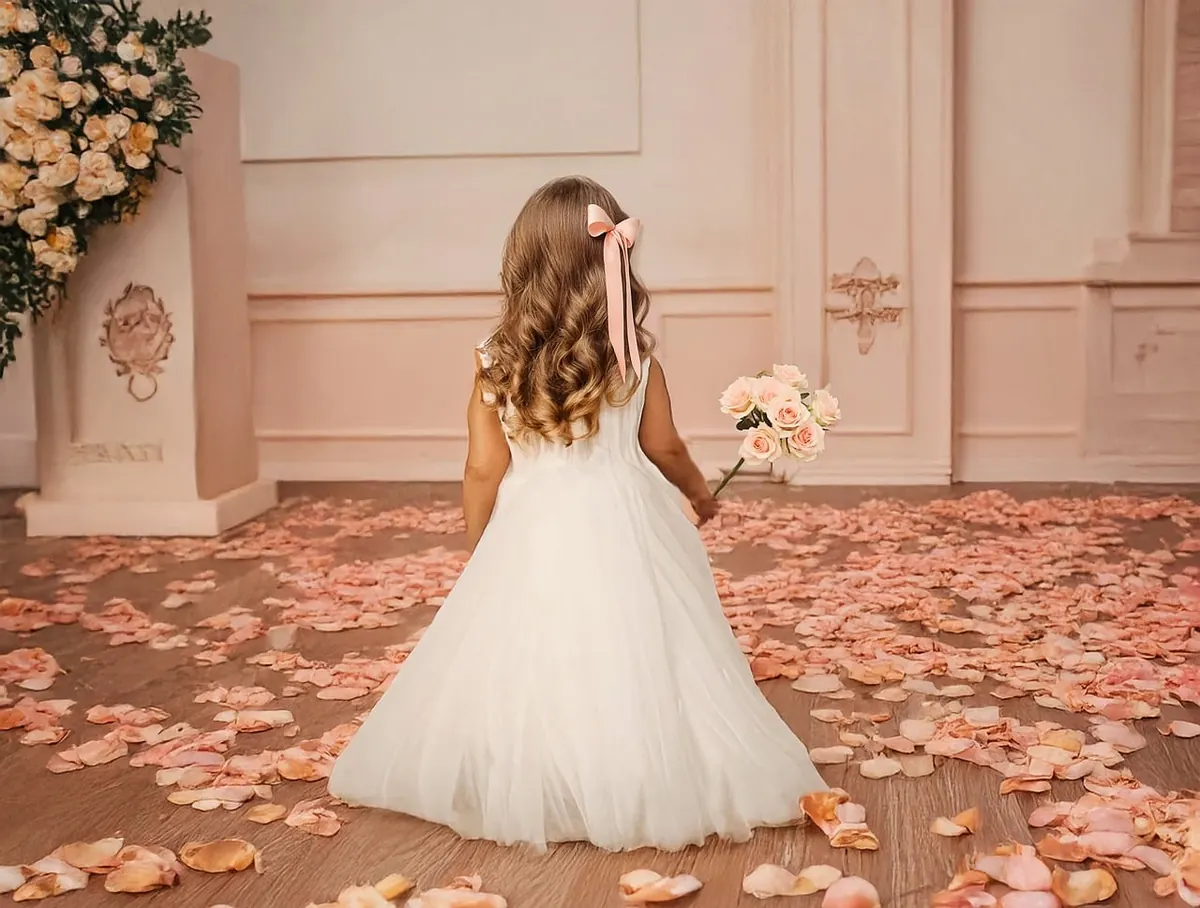
Summer weddings have a way of arriving all at once: three invitations, a heatwave, and a wardrobe that suddenly feels unfinished. Pastel dresses solve half the problem. They are cool to wear, flattering in bright light, and easy to move in. But a single flat colour can look a little unresolved, especially near the face. A gemstone pendant settles it. One stone, one chain, and the outfit reads as considered rather than simply assembled.
Before you look at stones, hold the dress against a sheet of white paper in daylight — not in the changing room, and not under a warm bulb. You are looking for the undertone. Cool pastels such as mint, powder blue, lilac, dove grey and icy pink carry a blue or grey base. Warm pastels — peach, blush, butter yellow, sage, soft coral — lean yellow or red.
That single distinction decides most of your choices. Cool fabrics tend to sit well with silver, white gold or platinum, and with stones that share their temperature: aquamarine, amethyst, moonstone, blue lace agate, freshwater pearl. Warm fabrics flatter yellow gold and rose gold, and stones with a glow rather than a chill — morganite, rose quartz, peach moonstone, citrine.
Then decide how loudly the pendant should speak. A tonal pairing — rose quartz against a blush dress, aquamarine against pale blue — reads calm and quietly expensive. A deliberate contrast, such as a warm peach stone on mint green, is more noticeable and slightly more modern. Both work; only the contrast needs confidence.
If you would rather not experiment, these combinations are reliable across most skin tones:
One caution: pastels are quiet, so a stone with strong internal pattern — rutilated quartz, heavily banded agate — will dominate the whole outfit. That can be lovely, but treat it as the statement and keep everything else restrained.
The pendant has a job to do: finish the neckline, not fight it. Chain length matters as much as the stone.
A pendant sitting tight at the base of the throat will crowd a crew or high neck. Go longer — a 50 cm or 60 cm chain lets the stone drop into the open space below and gives the eye somewhere to travel.
These are the easiest. A pendant sitting just inside the point of the V, roughly 45 cm, follows the line of the fabric and looks deliberate. Avoid a stone that hangs below the V, which can look as though it has slipped.
Bare décolletage wants either a short pendant at the collarbone, around 40 cm, or a longer drop near 50 cm. The short option draws attention upward to your face; the longer one fills the space left by the missing neckline. Halter necks usually have a strap detail at the front, so a small, low-profile pendant works better there than a wide one.
As a rough guide: 40 cm sits at the collarbone, 45 cm just below it, 50 cm at the top of the chest, and 60 cm well below. Check the drop in the mirror while standing up, not sitting at a dressing table.
Summer fabrics behave differently from winter ones. Linen creases, chiffon floats, silk shifts. A heavier pendant on a fine chain can pull a lightweight neckline out of shape over an afternoon, so if your dress is delicate, keep the stone modest and the chain fine but sturdy.
There is also the question of what ends up on the stone. Sunscreen, moisturiser, perfume and hairspray all leave a film on jewellery, and porous materials — pearl, opal, turquoise, malachite — are the most easily dulled by them. The fix is simple: hair first, perfume second, jewellery last. Wipe the pendant with a soft dry cloth at the end of the night.
Coastal weddings deserve a mention too. Sea air and salt speed up tarnishing on silver, so rinse and dry your pieces properly when you get home rather than leaving them in a bag overnight.
Daylight is honest. In bright sun, translucent stones such as moonstone, aquamarine and rose quartz come alive, while heavily faceted stones can look almost invisible because there is nothing for them to reflect. If you are outdoors at midday, choose a stone with real colour, and do not be afraid of a slightly larger one — it has more competition.
Evening receptions reverse that. Indoor lighting and candles reward facets, sparkle and smaller stones that catch the light.
Then keep the rest quiet. If the pendant is your focal point, small studs are enough. If you want statement earrings, keep the pendant small or wear a fine chain on its own. A hat or hair accessory counts as part of the same calculation.
Photo: JillWellington / Pixabay
A practical UK guide to buying gemstone bracelets, comparing high street shops and online sellers on...
A practical beginner's guide to choosing gemstone earrings — which metals suit sensitive ears, how each...
A practical, stone-by-stone guide to cleaning gemstone rings at home, with safe tools, a five-minute...